



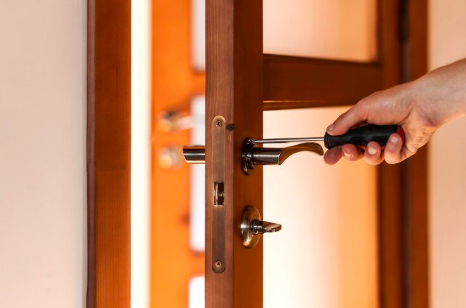
Most homeowners think home security problems start after a break-in. That is usually not true. In many homes, the warning signs show up much earlier. A lock becomes stiff. A deadbolt starts sticking during humid weather. Keys stop turning smoothly. Small problems like these often look harmless at first. People delay repairs because the door still opens, and life gets busy. Still, weak security rarely fixes itself. It tends to get worse slowly, then all at once.
A trusted residential locksmith can often spot hidden security risks before they become serious. That matters more than many homeowners realize. Old locks wear down internally over time, even if the outside looks fine. Loose strike plates, warped door frames, and aging lock cylinders create weak spots that intruders notice quickly. Some homeowners only react after getting locked out late at night. Others wait until a damaged lock leaves their family feeling unsafe. By then, stress usually replaces common sense.
Many local companies, including Sunshine State Lock and Key, often receive calls from homeowners who ignored early warning signs for months. Sometimes the issue starts with lost keys. Sometimes, previous tenants or contractors still have access to the property. That uncertainty alone makes many families uncomfortable. A home should feel secure every time the door closes. When locks stop providing that feeling, something is wrong, even if the problem seems minor.
The Small Problems That Often Turn Into Bigger Ones
Home security issues usually begin quietly. A front door may require extra force to lock properly. A sliding glass door may stop latching tightly. At first, people adapt to these problems without thinking much about them. They jiggle the key harder. They pull the handle differently. They tell themselves it can wait another month.
That delay creates risk.
Here are a few warning signs homeowners should not brush aside:
- Keys that bend or scrape inside the lock
- Deadbolts that feel loose
- Rust around exterior locks
- Doors that no longer align with the frame
- Locks damaged after attempted break-ins
- Missing spare keys
- Electronic keypad delays or failures
A lock does not need to fail before becoming vulnerable. Many intruders look for homes with weak entry points because they want quick access without attracting attention. A damaged lock can make that easier than most people expect.
Why Older Locks Create Hidden Security Gaps
Older homes often carry older hardware. Some locks remain installed for decades without inspection. The outside may still look acceptable, though internal parts slowly wear down with daily use. Springs weaken. Pins shift. Moisture damages metal components. Things stop fitting together correctly.
This becomes more serious after changes in homeownership.
A surprising number of homeowners never rekey their locks after moving in. They assume the previous owner returned every key. Maybe they did. Maybe they forgot one. Maybe a cleaning company, a dog walker, a neighbor, or a contractor still has access. Nobody really knows.
That uncertainty stays in the back of the mind. It bothers people more than they admit.
This is where lock rekeying becomes valuable. It changes internal lock access without replacing the full hardware. Many homeowners prefer it because the process feels less disruptive while still improving control over access to the home.
Smart Locks Are Helpful, But They Still Need Attention
Smart locks continue to gain popularity in residential neighborhoods. The convenience sounds appealing. Keyless entry, remote access, and temporary guest codes attract busy homeowners. Still, technology does not completely remove security concerns.
In some cases, it creates new ones.
Poor installation can weaken the door frame itself. Weak Wi-Fi signals may interrupt lock functions. Battery failures can leave homeowners locked outside unexpectedly. Some people also forget to update access codes after guests or service workers leave.
A smart lock still depends on proper door alignment and secure hardware. Without that, the system loses much of its value.
Homeowners should pay attention to:
| Warning Sign | Why It Matters |
| Delayed keypad response | May signal battery or wiring issues |
| Loose smart lock housing | Can weaken door security |
| App connection failures | May interrupt remote access |
| Door shifting in frame | Prevents full lock engagement |
| Forgotten access codes | Creates avoidable security risks |
A secure home depends on more than technology alone. Physical hardware still matters.
Why Burglars Often Target Predictable Weak Spots
Many break-ins happen through familiar entry points. Front doors, side garage doors, and rear sliding doors remain common targets because homeowners often overlook them. Some people spend heavily on cameras while ignoring worn locks entirely. That creates an odd imbalance.
Security works best when basic protection stays strong.
Burglars usually avoid difficult targets. They prefer homes where entry feels quick and quiet. A damaged deadbolt or loose frame can reduce the time needed to enter a property. That matters because speed lowers the chance of getting caught.
Here is why early action matters:
- Smaller repairs usually stay manageable
- Working locks create a stronger deterrence
- Properly aligned doors reduce forced entry risk
- Rekeying restores homeowner control
- Updated hardware improves peace of mind
Many homeowners wait for a major event before acting. A missing key. A neighborhood break-in. A failed lock during bad weather. Fear often becomes the trigger. Still, early attention usually prevents those situations from happening at all.
Security Problems Often Affect Daily Life More Than Expected
Home security concerns create quite a bit of stress within a household. People double-check doors repeatedly before bed. They avoid leaving valuables at home. Some hesitate to travel because they no longer fully trust the locks.
That stress builds slowly.
Children notice it too. Families feel it when arriving home late at night. Even guests notice when a lock struggles to close correctly. A home should feel stable and protected. When basic entry points stop working smoothly, the entire atmosphere changes a little.
Good security is not only about preventing crime. It also provides peace of mind in everyday life.
That matters more than people sometimes admit.
Final Thoughts
Early security warning signs rarely disappear on their own. A sticking lock, a loose deadbolt, or a damaged door frame may seem minor today, but these issues often worsen over time. Homeowners who act early usually avoid larger problems later. More importantly, they regain confidence in the safety of their property.
Paying attention to small changes around the home can make a real difference. Strong locks, secure entry points, and controlled key access still play a major role in protecting families. Waiting too long often creates stress that could have been avoided.