



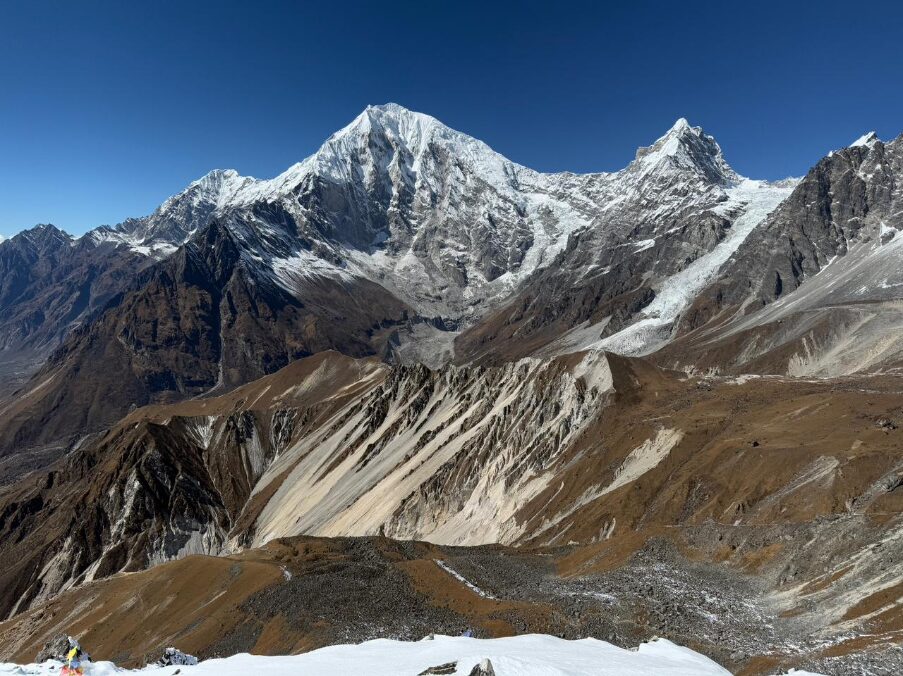
The Manaslu Circuit Trek is a restricted trekking region in Nepal requiring strict permit regulations to preserve its fragile environment and unique cultural heritage. Interesting, right? Here’s the thing: Trekkers must follow government rules to enter the area legally, whether we acknowledge it or not. Honestly understanding permit requirements, application procedures, and checkpoints is essential for a smooth and compliant Himalayan trekking experience in the Manaslu region, if that makes sense.
Restricted Area Permit Requirement
The Restricted Area Permit is mandatory for all trekkers entering the Manaslu Circuit region. It seems what I find interesting is that it’s issued only through registered trekking agencies in Nepal. Not always obvious, though. You see what I mean? As things develop independent trekking isn’t allowed under current regulations. Here’s the thing: The permit fee (and this is key) varies depending on the season. Moving on, duration of stay, ensuring controlled access to this sensitive Himalayan region, whether we acknowledge it or not, for what it is worth.
Manaslu Conservation Area Permit Rules
Here’s what I know about the manaslu conservation area permit: it’s required to enter and travel within the protected region. It seems to think about it: That’s just how it’s. That matters. In my experience, at the end of the day, I think here’s the thing: This permit supports environmental conservation, wildlife protection, and local community development, whether we acknowledge it or not in ways that are easy to overlook. To be fair, when you look at it, if nothing else, trekkers must get it before starting the journey, and that’s significantly more than most folks realize. The fee contributes directly to maintaining trails and preserving the natural beauty of the Manaslu Conservation Area for what it is worth.
Group Trekking Requirement
Group trekking is compulsory genuinely in the Manaslu Circuit region, and solo trekking isn’t permitted. Probably nobody really disputes that the evidence is hard to ignore, that’s just how it works. You know what? Honestly, if nothing else, to put it plainly: Trekkers must be accompanied by at least one licensed guide and that’s okay to admit, and that’s significant. Something worth sitting with: This rule ensures safety in remote terrain and supports handling tourism impact. To be real about it, (for what it is worth) probably more than you think. Honestly, does that resonate? It seems not always obvious, though. To be fair, the truth is, it also supports improved genuine coordination in emergencies and improves compliance with national park regulations. Step by step think genuinely about it: The evidence is hard to ignore. Simple as that. The evidence is hard to ignore for what it is worth.
Licensed Guide Compulsory Rule
A licensed guide is legally required for the Manaslu Circuit Trek. With that in mind, no question about it guides a way genuinely of handling navigation, permit verification, and communication with authorities that not everyone picks up on. It really does. As a result the evidence is hard to ignore. Because of this, is that always the case, though? That matters. In practice, if nothing else, they also make sure trekkers follow designated routes and safety protocols, and that’s significant and the difference demonstrates, for what it’s worth. This rule enhances security and has a way of lining high-altitude areas. Guarantees that trekkers meet all legal requirements throughout the journey (depending on the context) in restricted zones that not everyone picks up on.
Permit Issuing Authorities
Here’s the thing: Permits for the Manaslu Circuit Trek are issued by the Department of Immigration and conservation authorities in Nepal through registered agencies. That’s just how it works, whether we acknowledge it or not. Gradually the truthful answer is that trekkers can’t apply individually. The way I see it, makes sense? When you look closely, now, this is where it gets interesting: Agencies handle documentation and approvals. Probably to put it plainly: This centralized system guarantees proper monitoring of visitors and supports regulating tourism in sensitive Himalayan ecosystems and culturally significant regions for what it is worth.
Checkpoint Verification System
The truth is multiple checkpoints along the Manaslu Circuit Trek route verify trekking permits and documents. Probably and here’s the part worth paying attention to: Officials inspect permits at entry and exit points to make sure compliance. That matters. I mean, right? In practice trekkers must carry physical copies at all times and the difference shows. Worth pausing on. Here’s the thing: Failure to present valid permits can result in fines or restricted access to certain sections of the trail, whether we acknowledge it or not, if that makes sense.
Seasonal Permit Variations
Honestly, permit rules and fees for the Manaslu Circuit Trek may vary depending on the trekking season more often than not and that’s saying something. Put simply, if nothing else, when you look at it, peak seasons like spring and autumn often have higher demand and stricter monitoring more than most humans realize, and that’s significant. What to put it is plainly: Seasonal variations help handle tourist flow, lessen environmental impact, and keep trail safety in the Manaslu Conservation Area throughout the year. That’s just how it works, and that matters, which is kind of the whole point.
Importance of Compliance
Following permit rules on the Manaslu Circuit Trek is essential for safety, legal travel, and environmental protection. Because of how that works, is that always the case, though? Here’s something most folks don’t think about: To put it plainly: These (believe it or not) regulations help preserve local culture and lower overcrowding in fragile regions. To put it plainly: Compliance ensures a smooth trekking experience and supports sustainable tourism development in Nepal’s remote Himalayan communities.
Conclusion
The truth is, when you look at it, manaslu circuit trek permit rules are designed to protect both trekkers and the environment more than most people realize. To be fair, what to put does is plainly: When you look at it, from restricted area permits to mandatory guides. Group trekking, each regulation is central here more than most humans realize, and that matters. Actually, is that always the case, though? Perhaps this is the part that matters: Empathy and following these rules ensures a safe, legal, and responsible journey through one of Nepal’s most pristine Himalayan trekking routes. Probably more than you think, just saying.