



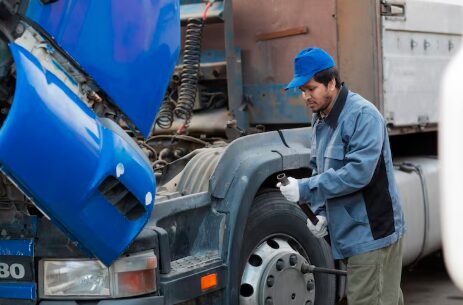
Heavy-duty trucks handle rough roads, long work hours, and demanding loads almost every day. That pressure builds slowly. A truck may look fine from the outside while small mechanical problems keep growing underneath. Many fleet owners ignore those early signs because the truck still runs. That decision often leads to long delays, missed work schedules, and repairs that become harder to manage later. A breakdown rarely happens out of nowhere. In many cases, the warning signs start weeks earlier.
Many fleet managers now take dump truck repair more seriously because unexpected failures can shut down an entire operation. A damaged suspension, a worn brake system, or a leaking hydraulic line may seem minor at first. Still, these issues can escalate into larger mechanical problems when ignored. Trucks that haul gravel, asphalt, debris, or soil face constant strain. That pressure affects the engine, tires, axles, transmission, and even the truck frame over time.
Companies like MSR Manufacturing & Trucks Sales often emphasize the value of scheduled inspections because work trucks rarely experience true downtime. A single truck sitting idle can create problems across several job sites. Drivers may wait for replacement vehicles. Deliveries get delayed. Clients become frustrated. Some operators try to save money by skipping service appointments. Oddly enough, that approach usually creates larger repair bills later.
Why Preventive Maintenance Matters
A truck does not fail all at once. Parts wear down gradually. Small cracks turn into leaks. Dirty fluids damage internal systems. Loose components create vibrations that spread to nearby parts. Routine maintenance catches those problems early before they grow into major failures.
Many technicians focus on these areas during scheduled service:
| Maintenance Area | Why It Gets Checked |
| Brake systems | Heavy loads wear components faster |
| Hydraulic parts | Leaks and pressure loss affect lifting |
| Tires and wheels | Uneven wear affects handling |
| Cooling systems | Dirty systems increase overheating risks |
| Electrical wiring | Moisture and vibration damage connections |
| Suspension parts | Rough roads loosen components over time |
Brake Systems Take Constant Abuse
Brake systems deserve extra attention because dump trucks stop under heavy loads every day. Heat, friction, and dust slowly wear down brake components. Drivers sometimes ignore squeaking or vibration because the truck still feels usable. That can become dangerous fast. A damaged brake drum or worn pad affects stopping distance, especially on uneven roads or steep job sites.
Regular brake checks help technicians catch uneven wear before rotors, drums, or calipers suffer damage. Some fleets delay brake servicing too long because the truck still moves normally. That decision often leads to more extensive repair work later. Poor braking performance also increases safety risks for drivers and nearby workers.
Hydraulic Problems Usually Start Quietly
Hydraulic systems face constant pressure during loading and unloading operations. A weak hydraulic cylinder may still operate for a while before complete failure occurs. That uncertainty creates safety concerns during unloading. Leaking hydraulic fluid often signals internal wear or damaged seals. Some operators keep topping off the fluid instead of fixing the real issue. That habit usually leads to pump damage later.
Hydraulic failures also affect productivity. A truck stuck with a raised bed or a failed lifting system can stop work across an entire site. Preventive inspections help identify cracked hoses, pressure loss, and fluid contamination before more serious mechanical issues arise.
Engine Maintenance Protects Long-Term Performance
Engine maintenance may seem obvious, yet many truck owners delay it longer than they should. Dirty oil reduces lubrication. Old filters restrict airflow. Cooling systems collect debris and lose performance over time. The truck may still run, but internal wear increases quietly. Then one day, the engine overheats during a heavy haul, and the repair process becomes far more complicated.
Transmission trouble follows a similar pattern. Hard shifting, delayed response, or strange noises often appear early. Some drivers keep working through those symptoms because deadlines matter more in the moment. That choice can shorten the life of the entire drivetrain. Preventive service gives technicians a chance to inspect the condition of the transmission fluid, seals, and internal components before more extensive damage develops.
Reliable Trucks Help Protect Business Reputation
Construction projects rely heavily on timing. A late material delivery affects workers, equipment schedules, and site planning. Clients remember delays, especially repeated ones. A truck breakdown in the middle of a project creates frustration that spreads quickly across the crew. Reliable vehicles help businesses keep contracts moving without constant interruptions.
There is also the issue of roadside failures. A truck that breaks down during transport may require towing, emergency service, and replacement equipment. Drivers lose time waiting for repairs. Some loads may even need to be transferred to another vehicle. These situations create stress that could often be avoided through regular inspections.
Modern Truck Systems Need Regular Attention
Modern trucks depend heavily on systems like hydraulic pressure monitoring and diesel particulate filter operation. When those systems stop working properly, performance drops fast. Warning lights may appear briefly before disappearing again. Some drivers ignore them because the truck still moves normally. That can become expensive later. Electronic diagnostics help technicians identify hidden problems before the damage spreads.
A practical maintenance schedule usually includes:
- Daily walk-around inspections
- Weekly tire pressure checks
- Monthly brake evaluations
- Fluid inspections after heavy hauling cycles
- Seasonal cooling system service
- Electrical system testing during routine maintenance visits
Small Inspections Can Prevent Bigger Repairs
Skipping inspections creates risk because trucks operate under constant stress. Rough terrain, changing weather, overloaded beds, and long idle periods all affect performance differently. Some trucks develop suspension issues earlier than expected. Others face electrical corrosion from moisture exposure. No two fleets experience wear exactly the same way.
One detail many operators overlook involves wheel alignment. Poor alignment affects steering control and tire wear. A truck may begin to pull slightly to one side without any obvious warning signs. Drivers often adapt without realizing the problem exists. Over time, tire damage spreads and fuel consumption increases. Routine alignment checks help reduce those problems before they grow worse.
Safety Depends on Proper Truck Maintenance
Preventive maintenance also helps improve workplace safety. Faulty lighting, weak brakes, steering problems, or unstable suspension systems create hazards for drivers and nearby workers. Construction zones already involve enough risk. Poor vehicle condition adds another layer of danger that businesses should not ignore.
Some fleet owners wait until a truck completely fails before calling a repair team. That approach may feel cheaper in the short term. Yet repeated breakdowns slowly drain time, labor, and productivity. Preventive care gives businesses more control over scheduling, repair planning, and vehicle reliability.
Regular Maintenance Helps Trucks Last Longer
Regular inspections, fluid analysis, and brake system evaluations help extend truck lifespan while lowering unexpected downtime. Many operators notice smoother performance after consistent servicing. Drivers also tend to report fewer handling concerns when trucks receive proper maintenance throughout the year.
Two areas that deserve close attention are hydraulic systems and diesel engine diagnostics. These systems often reveal hidden mechanical trouble before larger failures appear.
Preventive maintenance may not seem urgent when trucks continue running normally. Still, waiting for a breakdown usually creates more stress than planning routine service. Dump trucks work under harsh conditions every day. That wear builds quietly. Businesses that stay ahead of maintenance issues often avoid the disruptions that hurt schedules, crews, and long-term operating stability.