



Introduction
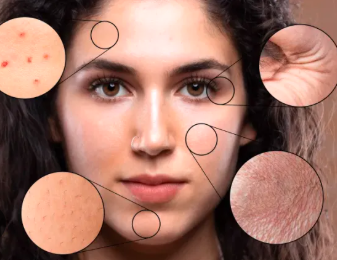
Skin health is closely connected to hormonal balance, especially in women. Throughout life, hormonal fluctuations influence how the skin looks, feels, and functions. From puberty and menstruation to pregnancy and menopause, hormonal changes can affect oil production, collagen levels, hydration, and skin sensitivity.
Many common skin concerns such as acne, dryness, pigmentation, and premature aging are linked to hormonal shifts rather than external factors alone. Understanding the relationship between hormones and skin health helps women take better care of their skin through proper lifestyle habits, skincare routines, and medical support when necessary.
This article explores how hormones impact skin health and provides practical care tips from a women’s health perspective.
Understanding the Connection Between Hormones and Skin
Hormones act as chemical messengers that regulate many body processes, including skin function. The skin contains hormone receptors that respond directly to hormonal changes.
Key hormones affecting skin health include:
- Estrogen – Maintains skin elasticity, hydration, and collagen production
- Progesterone – Influences oil production and skin swelling
- Testosterone (androgens) – Controls sebum production
- Cortisol – Stress hormone that affects inflammation and aging
- Thyroid hormones – Regulate skin texture and moisture levels
When hormone levels fluctuate, visible skin changes often occur.
Hormonal Changes Across Different Life Stages
Puberty and Teenage Years
During puberty, androgen levels increase, stimulating oil glands. Excess oil production can clog pores and lead to acne.
Common skin concerns:
- Oily skin
- Acne breakouts
- Enlarged pores
Proper cleansing and balanced skincare routines help manage these issues.
Menstrual Cycle Effects on Skin
Hormonal shifts during the menstrual cycle can cause noticeable skin changes.
Before Menstruation
Progesterone rises, increasing oil production and inflammation, which may cause breakouts.
During Ovulation
Estrogen peaks, often giving skin a natural glow and improved hydration.
Tracking these patterns helps women adjust skincare routines accordingly.
Pregnancy and Skin Changes
Pregnancy causes major hormonal increases, especially estrogen and progesterone.
Possible skin effects include:
- Increased glow due to better blood circulation
- Hyperpigmentation (melasma)
- Stretch marks
- Increased sensitivity
Gentle skincare and sun protection become especially important during pregnancy.
Perimenopause and Menopause
As estrogen levels decline, skin undergoes significant changes.
Common symptoms include:
- Dryness
- Loss of elasticity
- Wrinkles and fine lines
- Thinner skin
Collagen production decreases, making hydration and nourishment essential.
Common Hormonal Skin Conditions in Women
Hormonal Acne
Hormonal acne often appears on the chin, jawline, and lower face. It is commonly linked to menstrual cycles, PCOS, or hormonal imbalances.
Triggers include:
- Stress
- Poor sleep
- High sugar intake
- Hormonal disorders
Treatment may involve skincare adjustments, diet changes, or medical consultation.
Melasma (Hormonal Pigmentation)
Melasma appears as dark patches on the face and is often triggered by pregnancy or hormonal contraceptives combined with sun exposure.
Sun protection plays a key role in prevention.
Dry and Sensitive Skin
Low estrogen levels reduce natural oil production, causing dryness and irritation, particularly during menopause.
The Role of Stress Hormones in Skin Health
Cortisol and Skin Damage
Chronic stress increases cortisol levels, which can negatively affect the skin by:
- Increasing inflammation
- Triggering acne
- Breaking down collagen
- Accelerating aging
Stress management is therefore an important part of skincare.
Managing Stress for Better Skin
Healthy habits that support hormonal balance include:
- Regular exercise
- Meditation or mindfulness practices
- Adequate sleep
- Relaxation techniques
Mental health directly influences skin appearance.
Nutrition for Hormonal Skin Balance
Diet strongly impacts hormone regulation and skin health.
Skin-Friendly Nutrients
Women should include:
- Omega-3 fatty acids – Reduce inflammation
- Antioxidants – Protect skin cells
- Vitamin C – Supports collagen production
- Zinc – Helps control acne
- Protein – Repairs skin tissues
Foods That Support Healthy Skin
- Fruits and vegetables
- Nuts and seeds
- Whole grains
- Lean proteins
- Healthy fats like olive oil and avocado
Reducing processed foods and excess sugar helps stabilize hormones.
Skincare Tips for Hormone-Related Skin Changes
Build a Consistent Skincare Routine
A simple routine includes:
- Gentle cleansing
- Moisturizing daily
- Sun protection (SPF)
- Targeted treatments when needed
Consistency matters more than using many products.
Hydration Is Essential
Proper hydration supports skin elasticity and detoxification processes.
Use Age-Appropriate Products
Different life stages require different skincare approaches:
- Oil control products for younger skin
- Hydrating and collagen-supporting products after 40
- Gentle formulas during pregnancy
Lifestyle Habits That Improve Skin and Hormonal Health
Healthy lifestyle choices improve both internal hormone balance and external skin appearance.
Important habits include:
- Regular physical activity
- Balanced sleep schedule
- Avoiding smoking
- Limiting alcohol consumption
- Maintaining healthy body weight
These habits reduce inflammation and promote long-term skin health.
When to Seek Medical Advice
Women should consult healthcare professionals if they notice:
- Severe or persistent acne
- Sudden pigmentation changes
- Excessive hair growth with acne (possible hormonal disorder)
- Extreme skin dryness or irritation
Dermatologists and gynecologists can work together to address hormone-related skin issues effectively.
Conclusion
Skin health and hormones are deeply interconnected throughout a woman’s life. Hormonal fluctuations influence oil production, hydration, elasticity, and aging processes, making skin changes a natural part of different life stages. By understanding these connections, women can adopt targeted skincare routines, balanced nutrition, stress management strategies, and preventive healthcare practices.
Taking a holistic approach that supports both hormonal balance and skin care allows women to maintain healthy, radiant skin while promoting overall well-being.
FAQs
1. How do hormones affect women’s skin?
Hormones regulate oil production, collagen levels, hydration, and inflammation, all of which influence skin appearance and health.
2. Why does acne worsen before periods?
Progesterone increases oil production before menstruation, which can clog pores and trigger breakouts.
3. Can menopause cause skin aging?
Yes, reduced estrogen levels decrease collagen production, leading to dryness and wrinkles.
4. What foods help balance hormones for healthy skin?
Foods rich in omega-3s, antioxidants, protein, and vitamins support hormonal balance and skin repair.
5. When should I see a doctor for hormonal skin issues?
If acne, pigmentation, or skin changes are severe, persistent, or sudden, medical consultation is recommended.