



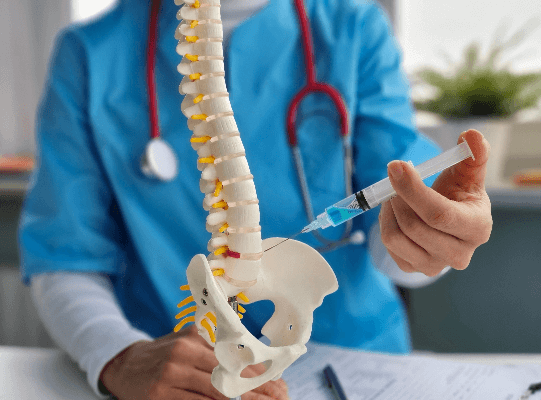
Pain is one of the most common reasons people visit healthcare professionals. Whether caused by injury, surgery, chronic illness, or nerve damage, pain can significantly affect a person’s physical health, emotional well-being, and daily life. Fortunately, modern medicine has evolved far beyond traditional painkillers. Today, doctors use advanced and personalized pain management techniques designed to treat both symptoms and underlying causes.
This article explores modern pain management methods used by doctors today, explaining how they work, their benefits, and who can benefit from them.
Understanding Modern Pain Management
Modern pain management focuses on a multidisciplinary approach, meaning doctors combine medical treatments, physical therapies, psychological support, and lifestyle strategies to achieve long-term relief.
Unlike older approaches that relied mainly on medication, today’s techniques aim to:
- Reduce pain safely
- Improve mobility and function
- Enhance quality of life
- Minimize dependence on opioids and strong medications
Pain management specialists carefully evaluate each patient’s condition before designing a personalized treatment plan.
Types of Pain Doctors Treat Today
Before selecting treatment, doctors identify the type of pain a patient is experiencing.
Acute Pain
Acute pain occurs suddenly due to injury, surgery, or illness and usually improves as the body heals.
Chronic Pain
Chronic pain lasts longer than three months and may continue even after recovery from the original injury.
Neuropathic Pain
This type of pain results from nerve damage and is often described as burning, tingling, or shooting pain.
Musculoskeletal Pain
Pain affecting muscles, joints, ligaments, and bones, such as arthritis or back pain.
Understanding the pain type helps doctors choose the most effective modern treatment technique.
Advanced Medication Management
Medication still plays an important role, but modern doctors now use safer and more targeted approaches.
Non-Opioid Medications
Doctors increasingly prefer alternatives such as:
- Anti-inflammatory drugs (NSAIDs)
- Muscle relaxants
- Antidepressants for nerve pain
- Anticonvulsants for neuropathic conditions
These medications reduce risks associated with long-term opioid use.
Controlled Opioid Therapy
When necessary, opioids are prescribed carefully with monitoring programs to prevent dependence.
Doctors now follow strict guidelines to ensure safe usage.
Interventional Pain Management Procedures
Interventional techniques directly target the source of pain and are widely used in modern clinics.
Nerve Blocks
Doctors inject anesthetic or anti-inflammatory medication near specific nerves to stop pain signals.
Common uses:
- Back pain
- Migraine headaches
- Post-surgical pain
Epidural Steroid Injections
Used primarily for spinal pain, these injections reduce inflammation around nerves.
Radiofrequency Ablation (RFA)
A minimally invasive procedure where heat energy disrupts pain signals from nerves.
Benefits include:
- Long-lasting relief
- Reduced medication need
- Improved mobility
Spinal Cord Stimulation
A small device implanted under the skin sends electrical signals to block pain messages before reaching the brain.
Physical Therapy and Rehabilitation Techniques
Modern pain management strongly emphasizes movement and rehabilitation.
Therapeutic Exercise Programs
Physical therapists design customized exercises to:
- Strengthen muscles
- Improve flexibility
- Correct posture
- Prevent future injuries
Manual Therapy
Hands-on techniques help reduce stiffness and restore joint movement.
Hydrotherapy
Water-based exercises reduce pressure on joints while improving strength and mobility.
These therapies treat the root cause rather than masking pain symptoms.
Regenerative Medicine in Pain Management
One of the most exciting advancements is regenerative medicine, which promotes healing naturally.
Platelet-Rich Plasma (PRP) Therapy
Doctors use a patient’s own blood platelets to accelerate tissue repair.
Often used for:
- Sports injuries
- Tendon damage
- Joint pain
Stem Cell Therapy
Stem cells help regenerate damaged tissues and reduce inflammation, offering hope for chronic conditions.
Psychological and Behavioral Pain Management
Pain affects both the body and the mind. Modern doctors now include mental health strategies in treatment plans.
Cognitive Behavioral Therapy (CBT)
CBT helps patients change negative thought patterns related to pain, reducing emotional distress.
Mindfulness and Relaxation Techniques
Practices such as meditation and breathing exercises lower stress and improve pain tolerance.
Biofeedback Therapy
Patients learn to control body responses like muscle tension and heart rate to manage pain naturally.
Technology-Based Pain Management Innovations
Technology has transformed pain treatment dramatically.
TENS (Transcutaneous Electrical Nerve Stimulation)
Small electrical impulses reduce pain signals and stimulate natural pain relief mechanisms.
Laser Therapy
Low-level laser therapy reduces inflammation and speeds tissue healing.
Virtual Reality Therapy
VR programs distract the brain from pain and are increasingly used for chronic pain rehabilitation.
Lifestyle-Based Pain Management Approaches
Doctors now encourage lifestyle adjustments as part of comprehensive care.
Nutrition and Anti-Inflammatory Diets
Healthy diets rich in omega-3 fatty acids, vegetables, and antioxidants help reduce inflammation.
Sleep Optimization
Proper sleep supports tissue repair and lowers pain sensitivity.
Weight Management
Reducing excess weight decreases stress on joints and spine.
Personalized Pain Management Plans
Modern healthcare recognizes that pain differs from person to person. Doctors now create individualized plans based on:
- Medical history
- Pain severity
- Lifestyle factors
- Psychological health
- Treatment response
This personalized approach improves long-term outcomes significantly.
Benefits of Modern Pain Management Techniques
Modern approaches provide several advantages:
- Reduced reliance on strong medications
- Faster recovery times
- Improved physical function
- Better mental health support
- Long-term pain control instead of temporary relief
Patients experience a more balanced and sustainable healing process.
When Should You See a Pain Management Specialist?
You should consult a specialist if:
- Pain lasts longer than three months
- Medications no longer work effectively
- Pain interferes with daily activities
- You experience nerve-related symptoms
- Recovery after surgery is slow
Early treatment prevents pain from becoming chronic.
Conclusion
Modern pain management techniques used by doctors today focus on treating pain comprehensively rather than simply masking symptoms. By combining advanced medical procedures, physical rehabilitation, psychological therapies, and lifestyle changes, healthcare professionals can now provide safer and more effective relief.
As medical technology continues to evolve, patients have more options than ever before to manage pain, regain mobility, and improve their overall quality of life. Seeking early professional care and following a personalized treatment plan can make a significant difference in long-term recovery.
FAQs
1. What is the most effective modern pain management technique?
There is no single best method. Doctors usually combine medications, physical therapy, and interventional procedures depending on the patient’s condition.
2. Are modern pain treatments safer than traditional methods?
Yes. Modern approaches focus on minimizing opioid use and using targeted, minimally invasive treatments.
3. Can chronic pain be completely cured?
Some conditions can be cured, while others are managed long-term. Modern techniques greatly improve pain control and quality of life.
4. Is surgery always required for severe pain?
No. Many patients find relief through non-surgical treatments such as injections, therapy, or nerve stimulation.
5. How long does pain management treatment take?
Treatment duration varies. Acute pain may resolve in weeks, while chronic pain management may require ongoing care and lifestyle adjustments.