



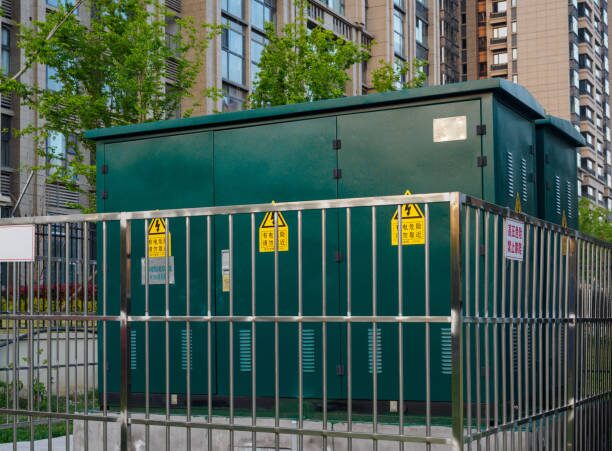
A ground transformer plays a crucial role in electrical power systems where grounding is required but a natural neutral point does not exist. In many distribution networks, especially delta-connected systems, there is no direct path to earth ground. This is where a ground transformer becomes essential. By creating an artificial neutral point, it enables safe grounding, fault detection, and improved system protection.
Ground transformers are widely used in industrial facilities, renewable energy plants, and utility distribution systems to control fault currents and stabilize system voltages. Understanding how a ground transformer works helps engineers and facility operators design safer and more reliable electrical networks.
This article explores the function, working principle, types, advantages, installation considerations, and real-world applications of ground transformers in modern electrical infrastructure.
What Is a Ground Transformer?
A ground transformer is a specially designed transformer used to provide a grounding reference in three-phase electrical systems that otherwise lack a neutral connection.
Unlike standard power transformers that transfer energy between voltage levels, a ground transformer primarily serves a protective function. Its main objective is to establish a neutral point connected to earth ground.
It is typically installed in systems with:
- Delta-connected transformers
- Ungrounded distribution networks
- Industrial power systems
- Medium-voltage installations
By introducing a neutral reference, the ground transformer allows ground fault current to flow in a controlled manner, enabling protection systems to operate effectively.
Why Ground Transformers Are Needed
Many three-phase systems operate without a neutral conductor. While this configuration can function normally during balanced operation, problems arise during fault conditions.
Lack of Fault Detection
Without grounding, a single line-to-ground fault may not produce sufficient current to trigger protective devices. This allows faults to persist unnoticed.
Overvoltage Risks
Ungrounded systems may experience dangerous voltage shifts during faults, placing insulation and equipment under stress.
Safety Concerns
Without a defined ground reference, exposed conductive parts may reach unsafe voltage levels.
A ground transformer solves these issues by creating a controlled grounding path.
Working Principle of a Ground Transformer
The operation of a ground transformer is based on providing a return path for zero-sequence currents during ground faults.
Under normal balanced conditions:
- Phase currents cancel each other
- No current flows through the grounding connection
- The transformer remains lightly loaded
During a ground fault:
- Zero-sequence current appears
- Current flows through the ground transformer
- Protective relays detect the fault
- Circuit breakers isolate the problem
This controlled current flow ensures quick fault clearing while maintaining system stability.
Types of Ground Transformers
Ground transformers are designed in different configurations depending on system requirements.
Zigzag Ground Transformer
The zigzag configuration is the most common design used for grounding purposes.
Its winding arrangement splits each phase into two halves connected across different phases. This design allows zero-sequence currents to flow while minimizing load current flow.
Key characteristics include:
- No secondary winding required
- Compact design
- Efficient grounding performance
- Low cost compared to full transformers
Wye-Delta Ground Transformer
Another configuration uses a wye-connected primary winding with a delta secondary winding.
This design provides:
- Grounding capability
- Harmonic suppression
- Improved system stability
It is often selected when additional system balancing benefits are needed.
Key Components of a Ground Transformer System
A complete grounding installation includes more than the transformer itself.
Neutral Grounding Resistor
Many ground transformers are paired with a resistor to limit fault current magnitude. This reduces equipment stress and arc flash risk.
Grounding Electrode System
Ground rods or grounding grids connect the transformer neutral point to earth.
Protective Relays
Relays monitor ground fault current and initiate protective actions when abnormalities occur.
Advantages of Using a Ground Transformer
Ground transformers provide several operational and safety benefits.
Improved System Protection
They allow ground faults to be detected quickly, reducing equipment damage and downtime.
Voltage Stabilization
The artificial neutral stabilizes phase-to-ground voltages across the system.
Controlled Fault Current
When used with grounding resistors, fault current can be limited to safe levels.
Compatibility With Existing Systems
Ground transformers can be added without redesigning the entire power system.
Applications of Ground Transformers
Ground transformers are used across many industries and electrical environments.
Industrial Power Systems
Manufacturing plants often use delta distribution systems. Ground transformers enable safe operation without major system modifications.
Renewable Energy Facilities
Solar and wind installations frequently require grounding solutions for inverter-based systems.
Utility Distribution Networks
Electric utilities use ground transformers to improve fault detection in medium-voltage feeders.
Mining and Heavy Industry
Harsh operating environments demand reliable grounding to protect equipment and workers.
Ground Transformer vs Standard Power Transformer
Although both devices share transformer principles, their purposes differ significantly.
A standard transformer focuses on voltage transformation and power transfer. A ground transformer primarily establishes a grounding reference and carries fault current only during abnormal conditions.
Key differences include:
- Operational role
- Loading characteristics
- Winding configuration
- Protection objectives
Ground transformers are typically smaller because they do not carry continuous load power.
Design Considerations for Ground Transformers
Selecting the correct ground transformer requires careful engineering analysis.
System Voltage
Transformer insulation and ratings must match system voltage levels.
Fault Current Rating
The transformer must withstand expected ground fault current without overheating.
Duty Cycle
Ground transformers are designed for intermittent operation during faults rather than continuous loading.
Grounding Method
The choice between solid grounding and resistance grounding affects transformer selection.
Installation Best Practices
Proper installation ensures reliable performance and long service life.
Important practices include:
- Installing close to the grounding point
- Using properly sized grounding conductors
- Ensuring low-resistance earth connections
- Providing adequate ventilation and cooling
Incorrect installation can reduce grounding effectiveness.
Maintenance Requirements
Although ground transformers operate under light load most of the time, regular inspection remains necessary.
Routine maintenance includes:
- Checking insulation condition
- Verifying grounding connections
- Testing protective relays
- Inspecting for overheating or corrosion
Periodic testing ensures readiness during fault conditions.
Common Problems and Troubleshooting
Several issues may affect ground transformer performance.
Excessive Heating
Often caused by repeated fault events or incorrect resistor sizing.
High Ground Resistance
Poor soil conductivity or damaged grounding electrodes can reduce effectiveness.
Relay Coordination Issues
Improper settings may delay fault clearing.
Early diagnosis helps prevent system failures.
Role in Modern Electrical Protection Systems
Modern power systems increasingly rely on precise protection coordination. Ground transformers support advanced protection schemes by enabling accurate measurement of ground fault currents.
With digital relays and monitoring systems, utilities can quickly identify and isolate faults, improving grid reliability.
As renewable energy integration grows, grounding solutions continue to evolve to accommodate inverter-based resources and distributed generation.
Safety Standards and Compliance
Ground transformer installations must comply with recognized electrical standards and safety practices.
Common references include:
- IEEE grounding recommendations
- IEC transformer standards
- National electrical codes
Compliance ensures safe operation and regulatory acceptance.
Future Trends in Ground Transformer Technology
Electrical infrastructure modernization is influencing grounding solutions.
Emerging developments include:
- Compact transformer designs
- Improved insulation materials
- Smart monitoring sensors
- Integration with automated protection systems
These advancements improve reliability while reducing maintenance requirements.
Conclusion
A ground transformer is an essential component in electrical systems that lack a natural neutral connection. By creating an artificial grounding point, it enables fault detection, stabilizes system voltages, and improves overall safety. From industrial facilities to renewable energy installations, ground transformers provide a practical and effective grounding solution without requiring major system redesign.
Understanding their working principle, configurations, and applications helps engineers implement safer and more resilient power distribution networks. As electrical systems continue to expand and modernize, the importance of proper grounding through ground transformers will remain fundamental to reliable power system operation.