



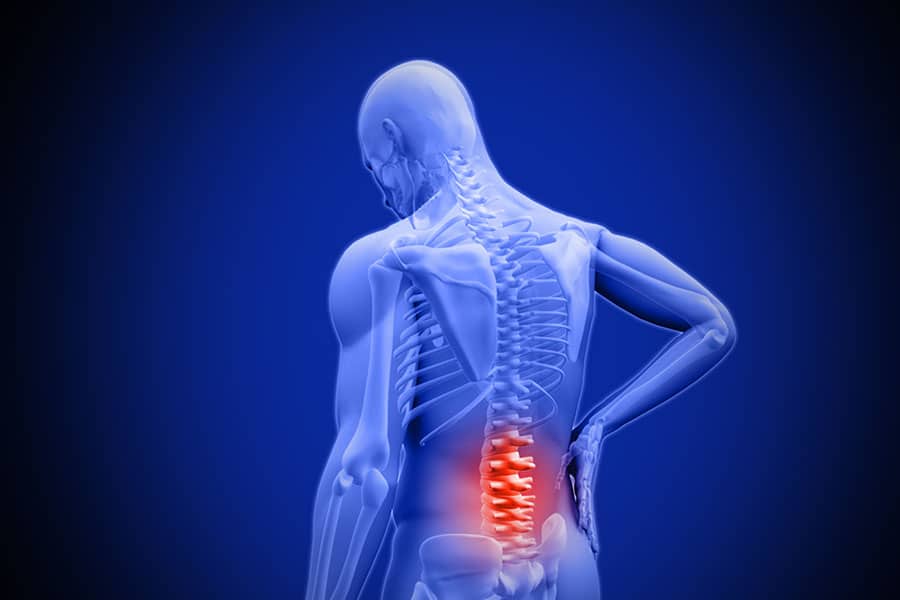
Back pain is one of the most common health problems affecting people of all ages worldwide. From office workers sitting for long hours to athletes and older adults, nearly everyone experiences back pain at some point in life. While some cases resolve quickly, others develop into chronic conditions that interfere with daily activities, sleep, and overall quality of life.
Effective back pain management involves understanding the root causes, choosing appropriate treatments, and adopting preventive lifestyle habits. This article provides a detailed guide to back pain management, including causes, modern treatment options, and practical prevention strategies.
Understanding Back Pain
Back pain refers to discomfort or stiffness occurring anywhere along the spine, including the neck (cervical spine), middle back (thoracic spine), and lower back (lumbar spine). The lower back is the most commonly affected area because it supports most of the body’s weight and movement.
Back pain can range from mild muscle soreness to severe, disabling pain that limits mobility.
Types of Back Pain
Acute Back Pain
Acute pain appears suddenly, often due to injury, strain, or improper movement. It usually lasts a few days to weeks.
Subacute Back Pain
This type lasts between 6 weeks and 3 months and may require medical treatment and rehabilitation.
Chronic Back Pain
Pain lasting longer than three months is considered chronic and often needs long-term management strategies.
Common Causes of Back Pain
Understanding the cause is essential for proper treatment and prevention.
Muscle or Ligament Strain
Repeated heavy lifting, sudden movements, or poor posture can strain muscles and ligaments, leading to pain and stiffness.
Poor Posture
Long hours of sitting, especially while using computers or mobile devices, place stress on the spine and surrounding muscles.
Herniated or Bulging Discs
Spinal discs act as cushions between vertebrae. When they slip or rupture, they can press on nerves and cause pain.
Arthritis
Osteoarthritis can affect the lower back, causing inflammation, stiffness, and reduced flexibility.
Sciatica
Sciatica occurs when the sciatic nerve becomes compressed, causing pain that radiates from the lower back down the leg.
Injuries and Accidents
Falls, sports injuries, or car accidents may damage spinal structures.
Lifestyle Factors
Obesity, lack of exercise, stress, and poor sleep habits can increase the risk of back pain.
Symptoms Associated with Back Pain
Back pain symptoms vary depending on the cause but commonly include:
- Persistent aching or stiffness
- Sharp or shooting pain
- Pain that worsens with movement
- Muscle spasms
- Numbness or tingling in legs
- Difficulty standing straight or walking
Severe symptoms like weakness, loss of bladder control, or intense nerve pain require immediate medical attention.
Diagnosis of Back Pain
Doctors diagnose back pain through a combination of evaluation methods.
Medical History and Physical Examination
Doctors assess posture, flexibility, muscle strength, and pain triggers.
Imaging Tests
If needed, doctors may recommend:
- X-rays to view bone structure
- MRI scans to examine discs and nerves
- CT scans for detailed spinal imaging
Accurate diagnosis ensures effective treatment planning.
Modern Treatments for Back Pain Management
Treatment depends on pain severity, cause, and duration.
Medication-Based Treatments
Doctors may prescribe medications to reduce inflammation and discomfort.
Common options include:
- Nonsteroidal anti-inflammatory drugs (NSAIDs)
- Muscle relaxants
- Topical pain relievers
- Nerve pain medications
Short-term medication use helps control symptoms while other therapies address underlying causes.
Physical Therapy and Exercise
Physical therapy is one of the most effective long-term treatments for back pain.
Benefits of Physical Therapy
- Strengthens core muscles
- Improves flexibility
- Corrects posture
- Prevents recurring injuries
Therapists create personalized exercise programs based on patient needs.
Interventional Pain Management Techniques
For persistent pain, doctors may recommend minimally invasive procedures.
Epidural Steroid Injections
Reduce inflammation around spinal nerves.
Nerve Blocks
Interrupt pain signals sent to the brain.
Radiofrequency Ablation
Uses heat to disable nerves responsible for chronic pain.
These treatments provide relief when conservative methods fail.
Chiropractic Care and Manual Therapy
Manual adjustments help restore spinal alignment and improve mobility. When performed by trained professionals, chiropractic care can reduce stiffness and muscle tension.
Lifestyle and Home-Based Treatments
Doctors often recommend combining medical care with self-management techniques.
Heat and Cold Therapy
- Ice reduces inflammation during early injury stages.
- Heat relaxes tight muscles and improves circulation.
Gentle Movement
Avoid prolonged bed rest. Light activity helps recovery.
Ergonomic Adjustments
Proper chair support, desk height, and sleeping posture reduce spinal strain.
Surgical Treatment (When Necessary)
Surgery is usually considered only when:
- Severe nerve compression exists
- Loss of mobility occurs
- Non-surgical treatments fail
Common procedures include discectomy or spinal fusion.
Prevention Strategies for Back Pain
Preventing back pain is often easier than treating it.
Maintain Proper Posture
Keep shoulders relaxed, back straight, and feet flat when sitting.
Exercise Regularly
Focus on strengthening:
- Core muscles
- Back muscles
- Hip flexibility
Lift Objects Safely
Use leg muscles instead of bending your back.
Maintain a Healthy Weight
Excess weight increases pressure on spinal joints.
Improve Workplace Ergonomics
Use supportive chairs and position screens at eye level.
Sleep Smart
Choose a supportive mattress and avoid sleeping in twisted positions.
The Role of Mental Health in Back Pain
Stress and anxiety can increase muscle tension and pain sensitivity. Techniques such as meditation, deep breathing, and mindfulness can support overall pain management.
When Should You See a Doctor?
Seek medical advice if:
- Pain lasts longer than a few weeks
- Pain spreads to legs or arms
- Numbness or weakness develops
- Pain follows an injury or accident
- Daily activities become difficult
Early treatment prevents chronic complications.
Benefits of Proper Back Pain Management
Effective management provides:
- Reduced discomfort
- Improved mobility
- Better sleep quality
- Increased productivity
- Enhanced overall well-being
A comprehensive approach addresses both symptoms and underlying causes.
Conclusion
Back pain management involves more than simply relieving discomfort—it requires understanding causes, choosing appropriate treatments, and adopting preventive lifestyle habits. Modern medical approaches combine medication, physical therapy, minimally invasive procedures, and lifestyle improvements to achieve long-term relief.
By maintaining good posture, staying physically active, and seeking professional help when necessary, individuals can reduce the risk of chronic back pain and maintain a healthier, more active life.
FAQs
1. What is the most common cause of back pain?
Muscle strain caused by poor posture, heavy lifting, or prolonged sitting is the most common cause.
2. Can back pain go away without treatment?
Yes, mild cases often improve within a few weeks, but persistent pain should be evaluated by a doctor.
3. Is exercise safe during back pain?
Yes, gentle and guided exercises usually help recovery, but avoid intense activity without professional advice.
4. How can I prevent back pain while working at a desk?
Use an ergonomic chair, keep your screen at eye level, and take movement breaks every 30–60 minutes.
5. When is back pain considered serious?
Back pain is serious if accompanied by numbness, weakness, fever, or loss of bladder or bowel control.