



Introduction
Pregnancy is one of the most important and transformative stages in a woman’s life. During this period, a woman’s body undergoes significant physical, emotional, and hormonal changes to support the growth and development of a baby. Proper pregnancy care is essential not only for the baby’s health but also for the mother’s overall well-being.
Good prenatal care helps reduce complications, ensures healthy fetal development, and prepares women for safe childbirth and postpartum recovery. Understanding the essentials of pregnancy care allows women to make informed decisions and maintain optimal health throughout all stages of pregnancy.
Understanding Pregnancy and Maternal Health
Pregnancy typically lasts about 40 weeks and is divided into three trimesters. Each trimester brings unique changes and healthcare needs.
First Trimester (Weeks 1–12)
This stage involves rapid hormonal changes and early fetal development.
Common experiences include:
- Morning sickness
- Fatigue
- Mood swings
- Breast tenderness
Early prenatal visits are crucial to confirm pregnancy and assess overall health.
Second Trimester (Weeks 13–27)
Often called the “comfortable phase,” many early symptoms improve.
Key developments:
- Baby’s growth accelerates
- Increased energy levels
- Visible baby bump
- Improved appetite
Routine checkups monitor fetal growth and maternal health.
Third Trimester (Weeks 28–40)
The body prepares for delivery.
Common changes:
- Back pain
- Sleep discomfort
- Swelling in feet and ankles
- Frequent urination
Medical monitoring becomes more frequent to ensure safe delivery.
Importance of Regular Prenatal Checkups
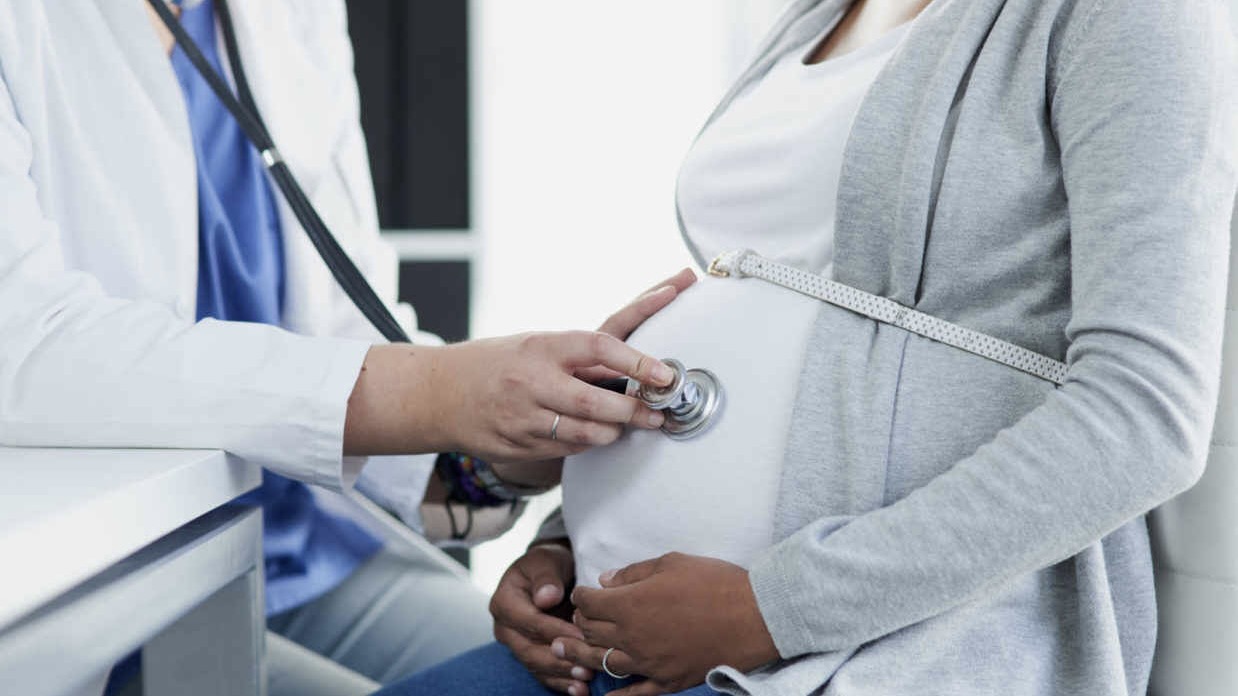
Prenatal care is the foundation of a healthy pregnancy. Regular doctor visits help detect complications early and monitor both mother and baby.
Benefits of Prenatal Visits
- Tracking baby’s development
- Monitoring blood pressure and weight
- Screening for gestational diabetes
- Detecting infections or deficiencies
- Providing nutrition and lifestyle guidance
Healthcare providers may also recommend ultrasounds and laboratory tests during different stages.
Nutrition Essentials During Pregnancy
Proper nutrition supports fetal growth and protects maternal health.
Key Nutrients for Pregnant Women
Folic Acid
Essential for preventing neural tube defects and supporting brain development.
Iron
Helps prevent anemia and supports oxygen supply to the baby.
Calcium
Strengthens baby’s bones and teeth while protecting maternal bone health.
Protein
Supports tissue growth and fetal development.
Omega-3 Fatty Acids
Aid brain and eye development in the baby.
Healthy Eating Tips
- Eat balanced meals with fruits, vegetables, and whole grains
- Stay hydrated throughout the day
- Avoid excessive sugar and processed foods
- Eat smaller, frequent meals to reduce nausea
Physical Activity and Exercise During Pregnancy
Safe physical activity improves both maternal and fetal health when approved by a healthcare provider.
Benefits of Exercise
- Reduces back pain
- Improves circulation
- Supports healthy weight gain
- Enhances mood
- Prepares the body for labor
Safe Exercises for Pregnancy
- Walking
- Prenatal yoga
- Swimming
- Light stretching
- Low-impact aerobics
High-risk or contact sports should be avoided.
Mental and Emotional Health During Pregnancy
Pregnancy affects emotional health due to hormonal changes and lifestyle adjustments.
Managing Emotional Well-Being
Women may experience anxiety, mood swings, or stress. Emotional support plays a vital role in maintaining mental wellness.
Helpful strategies include:
- Open communication with family and healthcare providers
- Relaxation techniques and meditation
- Adequate rest
- Joining prenatal support groups
Mental health care is just as important as physical health during pregnancy.
Common Pregnancy Discomforts and Management
Morning Sickness
- Eat small meals frequently
- Avoid strong odors
- Stay hydrated
Back Pain
- Maintain good posture
- Use supportive footwear
- Practice gentle stretching exercises
Fatigue
- Prioritize rest
- Maintain balanced nutrition
- Avoid overexertion
Most discomforts are normal but should be discussed with a healthcare provider if severe.
Essential Health Screenings During Pregnancy
Regular medical tests help ensure safe pregnancy progress.
| Screening/Test | Purpose | Timing |
|---|---|---|
| Ultrasound | Monitor fetal growth | Throughout pregnancy |
| Blood tests | Detect anemia & infections | Early pregnancy |
| Glucose test | Check gestational diabetes | 24–28 weeks |
| Blood pressure checks | Monitor preeclampsia risk | Every visit |
| Group B strep test | Prevent newborn infection | Late pregnancy |
Lifestyle Habits for a Healthy Pregnancy
Maintain Healthy Sleep Patterns
Aim for adequate sleep using comfortable positions, especially side sleeping in later months.
Avoid Harmful Substances
Pregnant women should avoid:
- Smoking
- Alcohol
- Recreational drugs
- Excess caffeine
Practice Good Hygiene
Proper hygiene reduces infection risk for both mother and baby.
Stay Educated About Childbirth
Attending prenatal classes helps women prepare for labor, delivery, and newborn care.
Preparing for Postpartum Health
Pregnancy care continues even after delivery. Planning for postpartum recovery helps mothers transition smoothly into motherhood.
Important aspects include:
- Balanced nutrition for recovery
- Emotional support
- Breastfeeding guidance
- Postnatal medical checkups
Postpartum health monitoring reduces risks such as depression and physical complications.
Warning Signs That Require Medical Attention
Immediate medical consultation is necessary if experiencing:
- Severe abdominal pain
- Heavy bleeding
- Persistent headaches
- Sudden swelling
- Reduced baby movement (later pregnancy)
Early medical attention ensures safety for both mother and baby.
Conclusion
Pregnancy care and women’s health essentials focus on nurturing both mother and baby through proper nutrition, regular medical checkups, emotional support, and healthy lifestyle habits. Every pregnancy journey is unique, but consistent prenatal care and informed health choices greatly improve outcomes.
By prioritizing physical, mental, and emotional well-being, women can experience a healthier pregnancy, safer delivery, and smoother recovery, laying the foundation for lifelong maternal and child health.
FAQs
1. How often should prenatal checkups occur?
Typically, visits occur monthly early in pregnancy, biweekly in later months, and weekly near delivery, depending on medical advice.
2. What foods should pregnant women avoid?
Raw seafood, unpasteurized dairy, excessive caffeine, and processed foods should be limited or avoided.
3. Is exercise safe during pregnancy?
Yes, moderate exercise approved by a healthcare provider is beneficial for most pregnancies.
4. How much weight gain is normal during pregnancy?
Healthy weight gain varies based on pre-pregnancy weight but is usually between 11–16 kg for average-weight women.
5. When should I contact a doctor during pregnancy?
Seek medical advice immediately if experiencing bleeding, severe pain, dizziness, or decreased fetal movement.