



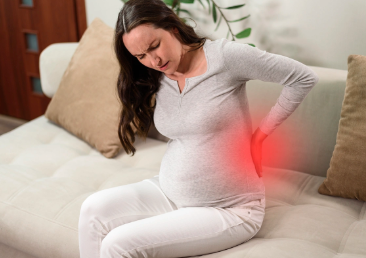
Pregnancy is a beautiful yet physically demanding journey. As the body changes to support a growing baby, many women experience different types of discomfort and pain, including back pain, joint pain, headaches, and muscle aches. Managing pain during pregnancy requires special care because certain medications and treatments may affect the developing baby.
Safe pain management during pregnancy focuses on protecting both mother and child while providing effective relief. This guide explains common causes of pregnancy-related pain, safe treatment options, and prevention strategies recommended by healthcare professionals.
Why Pain Occurs During Pregnancy
Pregnancy causes significant hormonal, physical, and emotional changes that place extra stress on the body.
Common Reasons for Pain
- Hormonal changes that loosen ligaments and joints
- Weight gain increasing pressure on the spine and hips
- Postural changes as the belly grows
- Muscle stretching and uterine expansion
- Fluid retention causing nerve compression
These changes are natural but can lead to discomfort if not managed properly.
Common Types of Pain During Pregnancy
Lower Back Pain
One of the most frequent complaints, caused by posture changes and added weight on the spine.
Pelvic and Hip Pain
Ligaments soften during pregnancy, which may lead to instability and pain in the pelvic region.
Headaches
Hormonal fluctuations, dehydration, or fatigue often trigger headaches.
Leg Cramps
Usually occur during the second and third trimesters due to circulation changes and mineral imbalance.
Round Ligament Pain
Sharp pain in the lower abdomen caused by stretching ligaments supporting the uterus.
Principles of Safe Pain Management During Pregnancy
Doctors prioritize non-medication approaches first to reduce risks.
Key principles include:
- Use the safest treatments available
- Avoid unnecessary medications
- Choose non-invasive therapies
- Monitor symptoms carefully
- Consult healthcare providers before treatment
Self-medication during pregnancy should always be avoided.
Non-Medication Pain Relief Methods
Prenatal Exercise and Gentle Movement
Regular, pregnancy-safe exercise improves circulation and reduces stiffness.
Recommended activities include:
- Walking
- Prenatal yoga
- Stretching exercises
- Swimming or water therapy
Exercise strengthens muscles supporting the spine and joints.
Proper Posture and Body Mechanics
Maintaining correct posture reduces strain on the back and pelvis.
Helpful tips:
- Keep shoulders relaxed and back straight
- Avoid standing for long periods
- Use supportive chairs with back support
- Bend knees instead of the waist when lifting objects
Heat and Cold Therapy
- Warm compresses help relax tight muscles.
- Cold packs reduce swelling and inflammation.
Heat should be warm—not hot—and never applied directly to the abdomen.
Prenatal Massage Therapy
Massage performed by certified prenatal therapists can:
- Reduce muscle tension
- Improve circulation
- Decrease stress hormones
- Promote relaxation
Always inform the therapist about pregnancy status.
Supportive Devices
Doctors often recommend supportive products such as:
- Pregnancy support belts
- Maternity pillows
- Comfortable footwear
These help distribute body weight evenly and reduce pressure on joints.
Safe Medications During Pregnancy
Medication may be necessary when pain becomes severe, but only under medical supervision.
Commonly Approved Option
Acetaminophen (Paracetamol) is generally considered safe when used in recommended doses and approved by a doctor.
Medications Usually Avoided
Doctors typically avoid:
- Nonsteroidal anti-inflammatory drugs (NSAIDs) during later pregnancy
- Strong opioids unless absolutely necessary
- Certain muscle relaxants
Always consult a healthcare provider before taking any medication, including over-the-counter drugs.
Physical Therapy for Pregnancy Pain
Prenatal physical therapy is increasingly recommended for managing pain safely.
Therapists may provide:
- Pelvic stabilization exercises
- Core strengthening programs
- Stretching routines
- Posture correction techniques
These treatments reduce discomfort while preparing the body for childbirth.
Alternative and Complementary Therapies
Some complementary therapies may be safe when approved by healthcare providers.
Acupuncture
May help relieve back pain and headaches when performed by trained professionals experienced in prenatal care.
Chiropractic Care
Gentle prenatal chiropractic adjustments can improve spinal alignment and reduce pressure on nerves.
Relaxation Techniques
Breathing exercises, meditation, and mindfulness reduce stress-related pain.
Lifestyle Habits That Reduce Pregnancy Pain
Maintain Healthy Weight Gain
Following recommended weight guidelines reduces stress on joints and muscles.
Stay Hydrated
Proper hydration helps prevent headaches and muscle cramps.
Improve Sleep Position
Sleeping on the left side with a pillow between the knees supports spinal alignment and circulation.
Balanced Nutrition
Adequate calcium, magnesium, and vitamin D support muscle and bone health.
Warning Signs That Require Medical Attention
Seek medical help immediately if pain is accompanied by:
- Fever
- Vaginal bleeding
- Severe abdominal pain
- Persistent headaches with vision changes
- Sudden swelling in hands or face
- Reduced fetal movement
These symptoms may indicate complications requiring urgent care.
Benefits of Safe Pain Management During Pregnancy
Proper pain management helps:
- Improve daily comfort
- Support healthy sleep
- Reduce stress and anxiety
- Enhance mobility
- Promote healthier pregnancy outcomes
Comfortable mothers are better able to maintain physical and emotional well-being throughout pregnancy.
Preventing Pain Throughout Pregnancy
Preventive strategies include:
- Regular prenatal checkups
- Gentle daily activity
- Proper lifting techniques
- Wearing supportive clothing and shoes
- Practicing relaxation and stress management
Early prevention often reduces the need for medication later.
Conclusion
Safe pain management during pregnancy focuses on balancing effective relief with the safety of both mother and baby. Modern healthcare emphasizes non-drug treatments such as exercise, physical therapy, posture correction, and lifestyle adjustments, while medications are used cautiously under medical supervision.
By staying active, maintaining healthy habits, and consulting healthcare professionals when needed, pregnant women can manage discomfort safely and enjoy a healthier, more comfortable pregnancy journey.
FAQs
1. Is it safe to take painkillers during pregnancy?
Some medications like acetaminophen may be safe when approved by a doctor, but many painkillers should be avoided without medical advice.
2. What is the safest way to relieve back pain during pregnancy?
Prenatal exercises, proper posture, supportive pillows, and physical therapy are among the safest options.
3. Can massage therapy help pregnancy pain?
Yes, prenatal massage performed by trained professionals can safely reduce muscle tension and stress.
4. When should I worry about pain during pregnancy?
Severe pain, bleeding, fever, or vision changes require immediate medical attention.
5. Does exercise reduce pregnancy-related pain?
Yes, gentle and regular exercise improves flexibility, circulation, and muscle strength, helping reduce discomfort.