



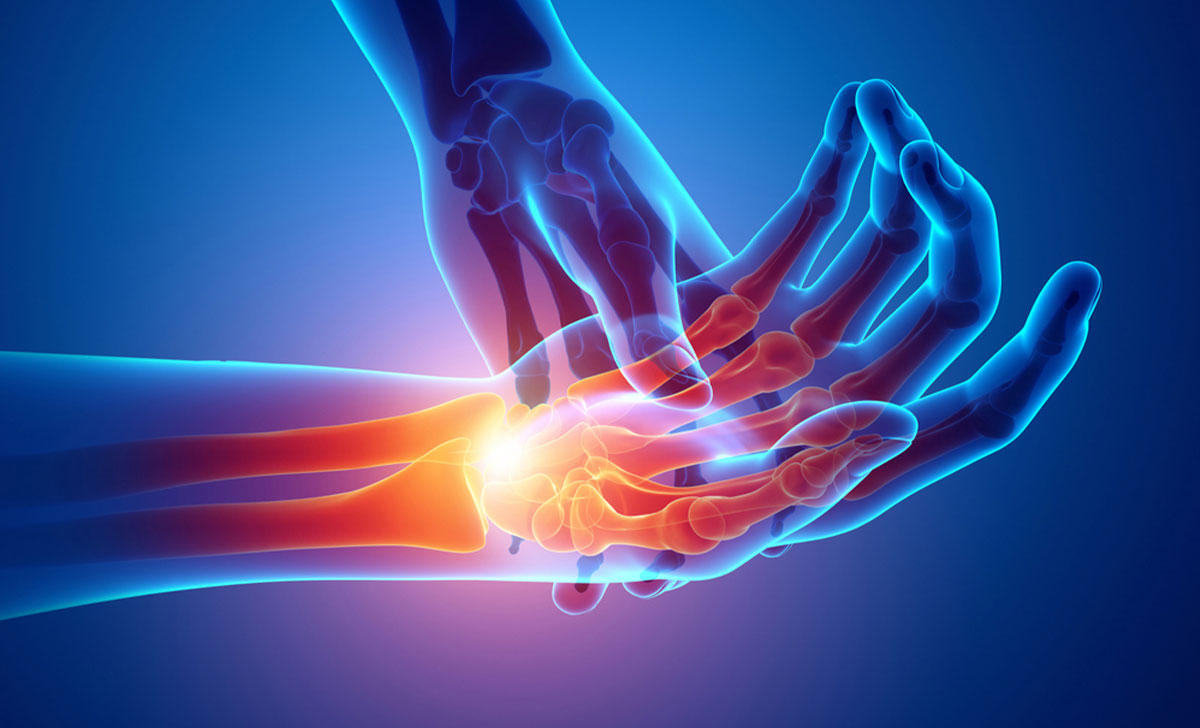
Pain is a natural response of the body that signals injury, illness, or internal imbalance. However, not all pain behaves the same way. In medical science, pain is mainly categorized into acute pain and chronic pain, and understanding the difference between them is essential for effective treatment and long-term recovery.
Doctors manage these two types of pain using different strategies because their causes, duration, and effects on the body vary significantly. This article explains acute vs chronic pain management, highlighting their key differences, treatment methods, and prevention strategies.
Understanding Pain and Its Role in the Body
Pain acts as a protective mechanism. When tissues are injured or inflamed, the nervous system sends signals to the brain, warning us to rest or seek treatment. While some pain disappears once healing occurs, other types may persist and become a long-term condition.
Proper pain classification helps healthcare providers:
- Identify underlying causes
- Choose appropriate treatments
- Prevent long-term complications
- Improve patient quality of life
What Is Acute Pain?
Acute pain is short-term pain that begins suddenly due to a specific injury or medical condition. It typically improves as the body heals.
Common Causes of Acute Pain
- Surgical procedures
- Injuries or accidents
- Burns or cuts
- Muscle strains
- Dental issues
- Infections or inflammation
Acute pain usually lasts from a few hours to several weeks.
Symptoms of Acute Pain
- Sharp or intense sensation
- Sudden onset
- Localized discomfort
- Swelling or inflammation
- Pain that decreases during recovery
Acute pain serves an important purpose by protecting the injured area and promoting healing.
Acute Pain Management Techniques
Treatment focuses on relieving discomfort while supporting recovery.
Medication-Based Treatment
Doctors commonly prescribe:
- Nonsteroidal anti-inflammatory drugs (NSAIDs)
- Acetaminophen
- Local anesthetics
- Short-term opioid medications (if necessary)
These medications help reduce inflammation and control pain temporarily.
Rest and Protection
Short periods of rest allow damaged tissues to heal. However, prolonged inactivity is usually avoided to prevent stiffness.
Cold and Heat Therapy
- Ice therapy reduces swelling immediately after injury.
- Heat therapy relaxes muscles during later recovery stages.
Physical Rehabilitation
Gentle stretching and movement restore flexibility and prevent complications.
What Is Chronic Pain?
Chronic pain is defined as pain that lasts longer than three months or continues even after the original injury has healed. Unlike acute pain, chronic pain may become a condition itself.
Common Causes of Chronic Pain
- Arthritis
- Chronic back pain
- Nerve damage (neuropathy)
- Fibromyalgia
- Migraines
- Autoimmune disorders
In some cases, chronic pain develops without a clear physical cause.
Symptoms of Chronic Pain
- Persistent or recurring discomfort
- Burning or aching sensation
- Fatigue and sleep disturbances
- Reduced mobility
- Emotional stress or depression
Chronic pain often affects both physical and mental health.
Chronic Pain Management Techniques
Managing chronic pain requires a long-term and multidisciplinary approach.
Medication Management
Doctors may prescribe:
- Anti-inflammatory medications
- Antidepressants for nerve-related pain
- Anticonvulsants
- Topical pain treatments
Opioids are used cautiously and under strict supervision.
Physical Therapy and Exercise
Regular physical therapy helps:
- Strengthen muscles
- Improve posture
- Increase flexibility
- Reduce recurring pain episodes
Interventional Procedures
Modern medicine offers advanced techniques such as:
- Nerve blocks
- Epidural steroid injections
- Radiofrequency ablation
- Spinal cord stimulation
These procedures target pain signals directly.
Psychological Therapies
Mental health support plays a major role in chronic pain care.
- Cognitive Behavioral Therapy (CBT)
- Stress reduction techniques
- Mindfulness and relaxation training
Lifestyle Modifications
Long-term improvements often include:
- Healthy nutrition
- Quality sleep habits
- Weight management
- Regular low-impact exercise
Key Differences Between Acute and Chronic Pain
| Aspect | Acute Pain | Chronic Pain |
|---|---|---|
| Duration | Short-term | Long-term (3+ months) |
| Cause | Clear injury or illness | May persist without active injury |
| Purpose | Warning signal | Ongoing medical condition |
| Treatment Goal | Healing and fast relief | Long-term management |
| Medication Use | Temporary | Carefully monitored long-term |
| Emotional Impact | Usually limited | Often significant |
| Treatment Approach | Symptom-focused | Multidisciplinary care |
How the Nervous System Responds Differently
In acute pain, nerve signals stop once tissues heal. In chronic pain, the nervous system may remain overly sensitive, continuing to send pain signals even without damage. This condition is sometimes called central sensitization, which explains why chronic pain treatment focuses on retraining both brain and body responses.
Psychological Impact of Pain
Acute Pain Effects
Emotional stress is usually temporary and improves with physical recovery.
Chronic Pain Effects
Long-lasting pain may lead to:
- Anxiety
- Depression
- Sleep disorders
- Reduced social interaction
Modern pain management therefore integrates psychological support alongside medical treatments.
Prevention Strategies
Preventing Acute Pain Complications
- Treat injuries promptly
- Follow medical advice after surgery
- Avoid overexertion during recovery
Preventing Chronic Pain Development
- Stay physically active
- Maintain proper posture
- Manage stress effectively
- Seek medical care for persistent pain early
Early intervention is one of the most effective prevention tools.
When to Seek Medical Attention
Consult a healthcare professional if:
- Pain lasts longer than expected
- Pain worsens over time
- Daily activities become difficult
- Numbness or weakness appears
- Sleep is regularly disturbed by pain
Timely treatment prevents long-term complications.
Benefits of Proper Pain Management
Effective pain management helps individuals:
- Recover faster
- Maintain mobility
- Improve mental well-being
- Reduce disability risk
- Enhance overall quality of life
Both acute and chronic pain can be managed successfully with appropriate care.
Conclusion
Acute and chronic pain differ significantly in duration, causes, and treatment approaches. Acute pain management focuses on short-term relief and healing, while chronic pain management requires a comprehensive, long-term strategy involving medical treatment, rehabilitation, psychological support, and lifestyle adjustments.
Understanding these differences allows patients and healthcare providers to choose the most effective treatment plans, prevent complications, and improve overall well-being. Early diagnosis and personalized care remain the keys to successful pain management.
FAQs
1. How is acute pain different from chronic pain?
Acute pain is temporary and linked to injury or illness, while chronic pain lasts longer than three months and may persist after healing.
2. Can acute pain become chronic?
Yes, untreated or poorly managed acute pain can develop into chronic pain over time.
3. Is chronic pain permanent?
Not always. Many people successfully manage chronic pain with proper treatment and lifestyle changes.
4. Are medications enough to treat chronic pain?
Usually not. Chronic pain often requires combined treatments including therapy, exercise, and psychological support.
5. When should I see a pain specialist?
You should consult a specialist if pain lasts more than a few weeks or interferes with daily life and sleep.