



Introduction
The connection between mental health and heart health has become a major focus in modern cardiology. While traditional heart disease risk factors such as cholesterol, smoking, and high blood pressure are widely recognized, cardiology experts now emphasize that chronic stress and emotional health also play a critical role in cardiovascular well-being. Long-term psychological stress can silently affect the heart, increasing the risk of serious conditions such as hypertension, heart attacks, and arrhythmias.
Understanding how stress influences the cardiovascular system helps individuals take preventive steps to protect both their mental and physical health.
Understanding Stress and Its Impact on the Body
Stress is the body’s natural response to challenges or perceived threats. In short bursts, stress can be helpful by increasing alertness and energy. However, chronic or unmanaged stress keeps the body in a constant state of tension, which negatively affects multiple organs, including the heart.
Types of Stress
- Acute stress: Short-term stress caused by temporary situations
- Chronic stress: Long-lasting emotional or psychological pressure
- Emotional stress: Anxiety, depression, or grief-related stress
- Work or lifestyle stress: Pressure related to career, finances, or responsibilities
Cardiology research shows that chronic stress poses the greatest danger to heart health.
How Stress Affects the Heart
Increased Heart Rate and Blood Pressure
When a person experiences stress, the body releases stress hormones such as adrenaline and cortisol. These hormones increase heart rate and raise blood pressure to prepare the body for a “fight or flight” response.
Over time, persistently elevated blood pressure can damage arteries and strain the heart.
Inflammation and Artery Damage
Chronic stress promotes inflammation within blood vessels. Inflammation contributes to plaque buildup in arteries, increasing the risk of coronary artery disease.
Hormonal Imbalance
High cortisol levels interfere with normal metabolic processes, leading to:
- Increased blood sugar levels
- Weight gain
- Higher cholesterol levels
These factors significantly raise cardiovascular risk.
Irregular Heart Rhythms
Stress and anxiety can trigger palpitations and arrhythmias. In individuals with existing heart disease, emotional stress may worsen symptoms or provoke cardiac events.
Mental Health Conditions Linked to Heart Disease
Cardiology experts recognize several mental health disorders that strongly influence cardiovascular outcomes.
Anxiety Disorders
Persistent anxiety keeps the nervous system activated, increasing heart workload and blood pressure.
Depression
Depression is associated with reduced physical activity, unhealthy eating habits, and hormonal changes that negatively affect heart health.
Chronic Stress Syndrome
Long-term stress can lead to sleep disturbances, fatigue, and inflammation—all contributing to cardiovascular disease.
Research suggests individuals with depression or chronic stress have a higher risk of developing heart disease compared to those with balanced mental health.
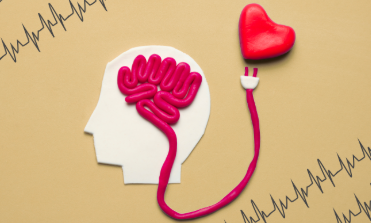
The Brain–Heart Connection
The heart and brain communicate through the nervous system and hormonal pathways.
Key Mechanisms
- The autonomic nervous system regulates heart rate and blood pressure.
- Emotional stress activates the sympathetic nervous system.
- Continuous activation leads to cardiovascular strain.
Cardiologists often refer to this interaction as the “brain–heart axis,” highlighting how emotional states directly influence cardiac function.
Stress-Related Heart Conditions
Hypertension (High Blood Pressure)
Stress causes repeated spikes in blood pressure, which may eventually become chronic hypertension.
Coronary Artery Disease
Stress-related inflammation and unhealthy coping habits increase plaque buildup in arteries.
Stress Cardiomyopathy (Broken Heart Syndrome)
Severe emotional stress can temporarily weaken the heart muscle, a condition known as stress cardiomyopathy or Takotsubo cardiomyopathy.
Heart Attacks
Sudden emotional stress may trigger heart attacks in high-risk individuals due to increased oxygen demand and arterial constriction.
Behavioral Effects of Stress on Heart Health
Stress not only affects the body biologically but also influences lifestyle choices that harm cardiovascular health.
Common stress-related behaviors include:
- Overeating or unhealthy diet choices
- Smoking or alcohol overuse
- Physical inactivity
- Poor sleep patterns
These behaviors further increase heart disease risk.
Signs That Stress May Be Affecting Your Heart
Recognizing warning signs early is essential.
Physical Symptoms
- Chest discomfort
- Rapid heartbeat
- Shortness of breath
- Fatigue
- Headaches or muscle tension
Emotional Symptoms
- Irritability
- Anxiety
- Difficulty concentrating
- Sleep disturbances
Persistent symptoms should be evaluated by a healthcare professional.
Stress Management Strategies Recommended by Cardiologists
Preventive cardiology increasingly includes mental health management as part of heart care.
Regular Physical Activity
Exercise reduces stress hormones and releases endorphins that improve mood and heart health.
Mindfulness and Relaxation Techniques
Effective practices include:
- Meditation
- Deep breathing exercises
- Yoga
- Progressive muscle relaxation
Healthy Sleep Habits
Quality sleep allows the cardiovascular system to recover and regulate hormone levels.
Social Support
Strong relationships and emotional support help reduce stress levels and improve overall well-being.
Professional Mental Health Support
Therapy or counseling can significantly reduce chronic stress and lower cardiovascular risk.
Lifestyle Habits for a Healthy Mind and Heart
| Healthy Habit | Heart Benefit |
|---|---|
| Regular exercise | Lowers blood pressure |
| Balanced diet | Reduces cholesterol |
| Stress management | Improves heart rhythm |
| Adequate sleep | Stabilizes hormones |
| Avoiding smoking | Protects blood vessels |
Combining mental and physical health strategies provides the strongest protection against heart disease.
Preventive Cardiology Approach to Stress
Modern cardiology integrates psychological health into cardiovascular prevention plans. Doctors may assess stress levels during consultations and recommend lifestyle adjustments alongside medical treatment.
Preventive strategies include:
- Routine health screenings
- Stress evaluation questionnaires
- Personalized wellness programs
- Cardiac rehabilitation including mental health support
When to Seek Medical Advice
Consult a healthcare professional if stress is accompanied by:
- Persistent chest pain
- Severe anxiety or depression
- Irregular heartbeat
- High blood pressure readings
- Frequent panic attacks
Early intervention protects both mental and heart health.
Conclusion
The relationship between stress and heart health highlights the importance of treating mental and physical wellness as interconnected aspects of overall health. Chronic stress can significantly increase the risk of cardiovascular disease through hormonal changes, inflammation, and unhealthy lifestyle behaviors. Cardiology experts emphasize that managing stress through exercise, mindfulness, healthy habits, and professional support can greatly reduce heart disease risk. Protecting the heart is not only about diet and medication—it also involves caring for emotional and mental well-being.
FAQs
1. Can stress really cause heart disease?
Yes, chronic stress contributes to high blood pressure, inflammation, and unhealthy behaviors that increase heart disease risk.
2. What is stress cardiomyopathy?
It is a temporary heart condition triggered by intense emotional stress that weakens the heart muscle.
3. Does anxiety increase heart rate?
Yes, anxiety activates stress hormones that raise heart rate and blood pressure.
4. How can I reduce stress for better heart health?
Regular exercise, meditation, good sleep, and counseling are effective stress-management methods.
5. Should heart patients avoid stress completely?
While stress cannot be eliminated entirely, learning healthy coping strategies helps protect cardiovascular health.