



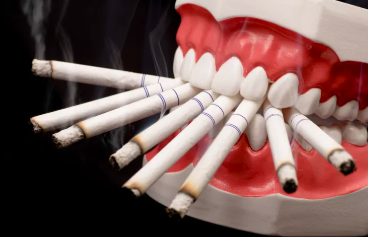
Smoking is widely known for its harmful effects on the lungs and heart, but many people overlook the serious damage it causes to oral health. Tobacco use affects the teeth, gums, tongue, and entire mouth, increasing the risk of dental diseases and long-term complications. From stained teeth to oral cancer, smoking can significantly reduce both oral function and overall quality of life.
Understanding how smoking impacts oral health can help individuals make informed decisions and adopt healthier habits to protect their smiles.
Understanding the Effects of Smoking on the Mouth
When a person smokes, harmful chemicals such as nicotine, tar, and carbon monoxide enter the mouth first. These substances weaken oral tissues, reduce blood flow to gums, and create an environment where harmful bacteria thrive.
Smoking affects:
- Teeth strength and appearance
- Gum health
- Saliva production
- Immune response inside the mouth
- Healing ability after dental treatments
Over time, these effects lead to serious dental problems that may become difficult to reverse.
Tooth Discoloration and Staining
Why Smoking Causes Yellow Teeth
Nicotine and tar present in tobacco easily attach to tooth enamel. Initially, nicotine is colorless, but when exposed to oxygen, it turns yellow, causing visible stains.
Common effects include:
- Yellow or brown teeth
- Persistent stains resistant to brushing
- Dull and unhealthy-looking smile
Unlike food stains, tobacco stains penetrate deeper into enamel and often require professional cleaning or whitening treatments.
Gum Disease and Smoking
How Smoking Damages Gums
Smoking is one of the leading causes of gum disease (periodontal disease). It reduces oxygen supply to gum tissues, making them more vulnerable to infection.
Smokers often experience:
- Inflamed gums
- Gum recession
- Bleeding gums (sometimes less noticeable due to reduced blood flow)
- Tooth mobility
Reduced Warning Signs
Interestingly, smokers may not notice early symptoms because smoking decreases gum bleeding. This delays diagnosis, allowing the disease to progress silently.
Increased Risk of Tooth Loss
Gum disease weakens the structures supporting teeth. As bone and tissue damage worsen, teeth may become loose and eventually fall out or require extraction.
Studies show that smokers are significantly more likely to lose teeth compared to non-smokers due to advanced periodontal disease.
Bad Breath (Halitosis)
Smoking contributes heavily to chronic bad breath.
Causes of Smoker’s Breath
- Dry mouth caused by reduced saliva flow
- Accumulation of tobacco particles
- Increased bacterial growth
Saliva normally cleans the mouth naturally, but smoking reduces its production, allowing odor-causing bacteria to multiply.
Delayed Healing After Dental Procedures
Smoking slows the body’s natural healing process.
After dental treatments such as:
- Tooth extractions
- Dental implants
- Gum surgery
- Root canal treatments
smokers often experience slower recovery and higher risk of infection. Reduced blood circulation limits oxygen and nutrients needed for tissue repair.
Increased Risk of Oral Cancer
One of the most serious consequences of smoking is oral cancer.
Areas Commonly Affected
- Tongue
- Lips
- Cheeks
- Floor of the mouth
- Throat
Tobacco chemicals damage cells and cause abnormal growth, increasing cancer risk significantly. Early detection through regular dental checkups is essential.
Warning signs may include:
- Persistent mouth sores
- Difficulty swallowing
- White or red patches in the mouth
- Unexplained pain or numbness
Effects on Saliva and Dry Mouth
Smoking reduces saliva production, leading to dry mouth (xerostomia).
Why Saliva Is Important
Saliva helps:
- Neutralize acids
- Wash away food particles
- Prevent tooth decay
- Control bacterial growth
A dry mouth increases the chances of cavities, infections, and discomfort while eating or speaking.
Impact on Dental Treatments and Cosmetic Results
Smoking can negatively affect the success of dental treatments.
Dental Implants
Smokers have a higher implant failure rate because bones heal more slowly.
Teeth Whitening
Smoking quickly reverses whitening results due to recurring stains.
Orthodontic Treatments
Gum inflammation may slow tooth movement and increase complications during braces or aligner treatment.
Long-Term Effects of Smoking on Oral Health
Over time, continuous smoking may lead to:
- Severe gum disease
- Bone loss in the jaw
- Chronic infections
- Tooth loss
- Oral cancer development
- Premature aging of oral tissues
These issues not only affect health but also speech, eating ability, and self-confidence.
Benefits of Quitting Smoking for Oral Health
The good news is that oral health begins improving soon after quitting smoking.
Short-Term Benefits
- Improved breath freshness
- Better taste sensation
- Reduced gum inflammation
Long-Term Benefits
- Lower risk of gum disease
- Improved healing after dental procedures
- Reduced oral cancer risk
- Healthier teeth and gums
Dentists often observe noticeable improvements within weeks of quitting.
Tips to Protect Oral Health for Smokers
While quitting is the best solution, smokers can reduce damage by following strong oral care habits:
Maintain Proper Oral Hygiene
Brush twice daily with fluoride toothpaste and floss regularly.
Schedule Regular Dental Visits
Professional cleanings help remove stubborn tobacco stains and detect problems early.
Stay Hydrated
Drinking water helps combat dry mouth and removes harmful particles.
Use Antibacterial Mouthwash
This helps reduce bacterial buildup and improves breath quality.
Consider Smoking Cessation Support
Nicotine replacement therapies and professional counseling can assist in quitting successfully.
Conclusion
Smoking has a serious and lasting impact on oral health and teeth. From discoloration and bad breath to gum disease, tooth loss, and oral cancer, tobacco use damages nearly every part of the mouth. The harmful chemicals in cigarettes weaken the immune system, reduce healing ability, and allow harmful bacteria to thrive.
Maintaining good oral hygiene and visiting the dentist regularly can help reduce risks, but quitting smoking remains the most effective way to protect oral and overall health. A smoke-free lifestyle not only improves your smile but also enhances long-term well-being and quality of life.
FAQs
1. Does smoking permanently damage teeth?
Some effects like staining and gum damage can be treated, but severe bone loss or tooth loss may be permanent if not addressed early.
2. How quickly does smoking affect oral health?
Bad breath and staining can appear within weeks, while gum disease and deeper damage develop over months or years.
3. Can dentists tell if someone smokes?
Yes, dentists can often identify smoking habits through stains, gum condition, dry mouth, and tissue changes.
4. Will quitting smoking improve gum health?
Yes, quitting smoking improves blood flow to gums, allowing better healing and reduced inflammation.
5. Are e-cigarettes safer for oral health?
Although sometimes considered less harmful, e-cigarettes can still cause dry mouth, gum irritation, and oral health problems.